



We measure the things that are easy to measure. A gym membership, for instance. You know what it costs, you can count the sessions, you can watch the direct debit leave your account. Sleep is the opposite. Nobody invoices you for it and nothing gets logged, yet it (arguably) does more for your health than any workout will.
Schools have the same blind spot. Most can tell you what a curriculum platform costs down to the penny. Far fewer have added up what it costs to run a curriculum without one: the lost hours, the knowledge that walks out with a departing teacher, the accreditation rush, the gaps nobody spots until they've already affected students.
Atlas replaces that with one live, centralized system. Here's where the return comes from.
1. Your Curriculum Stays Consistent
In many schools, when a teacher leaves, their knowledge leaves too. The units, the sequencing, the sense of what works built up over years. The next hire starts from scratch.
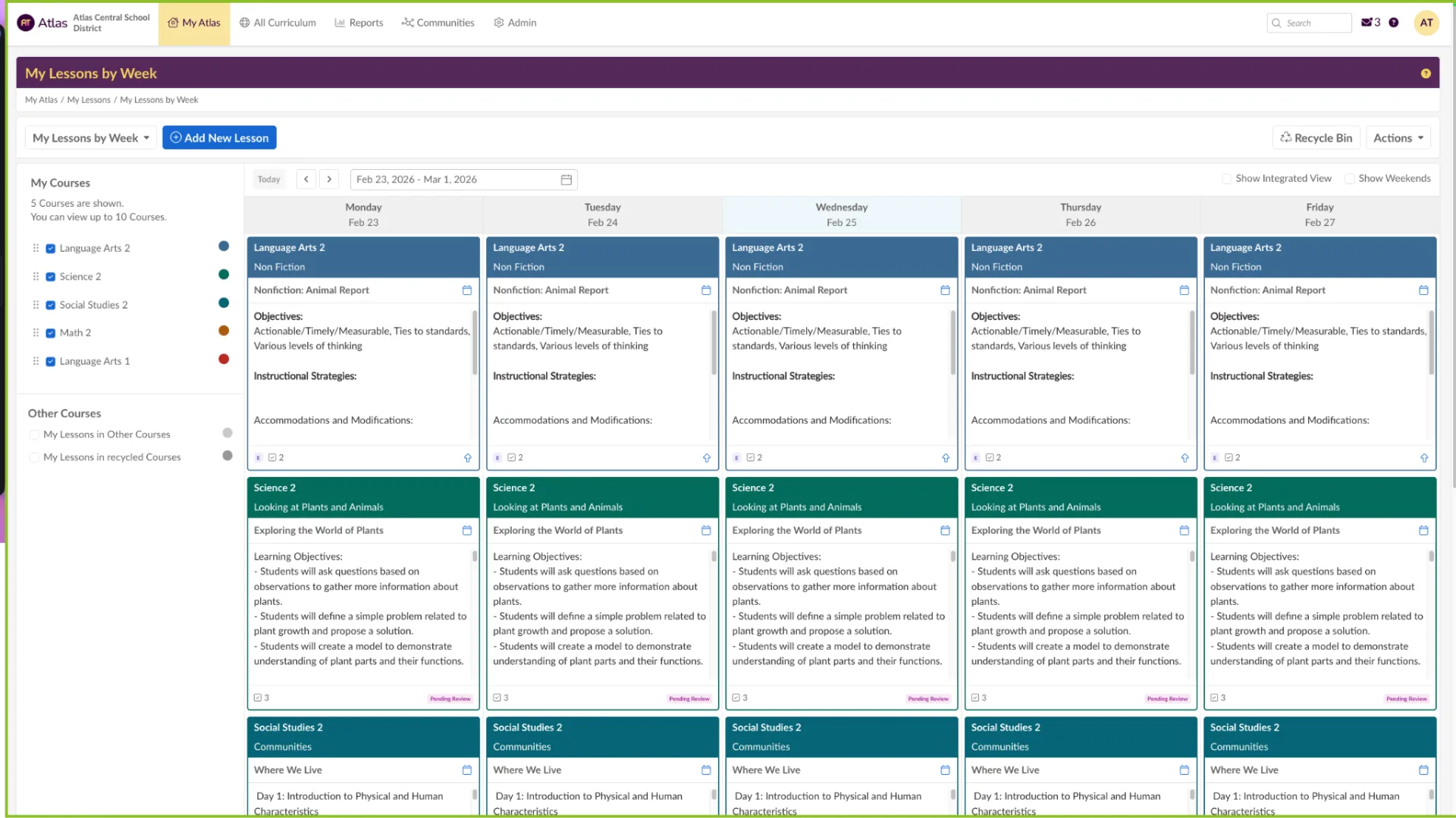
Atlas keeps all of it. Every unit, standard, and sequence lives in one place that belongs to the school rather than to individual teachers. However your staff turnover looks, the curriculum stays put, and every student keeps getting the same standards-aligned instruction. That continuity is what you're paying for.
2. Accreditation Stops Eating Your Calendar
You know the routine before a review: emails flying around to track down unit plans, missing attachments, someone checking by hand whether standards were taught, binders and PDFs assembled from scratch. Weeks of work to prove something you were already doing.
With Atlas, you give accreditors (such as CIS, NEASC, WASC, or Cognia) a read-only guest account or a custom Atlas Public Site to let them review dynamic, live curriculum data. Our team of experts here at Atlas regularly see schools cut reporting prep from 40+ hours down to minutes, turning a dreaded annual project into a byproduct of ordinary day-to-day record-keeping.
3. You Finally See the Gaps Affecting Students
When nobody can see across every grade and subject at once, things slip through. A critical skill never gets assessed. Two grades teach the same texts with no step up in difficulty. No individual teacher is positioned to catch it, because no individual teacher sees the whole picture.
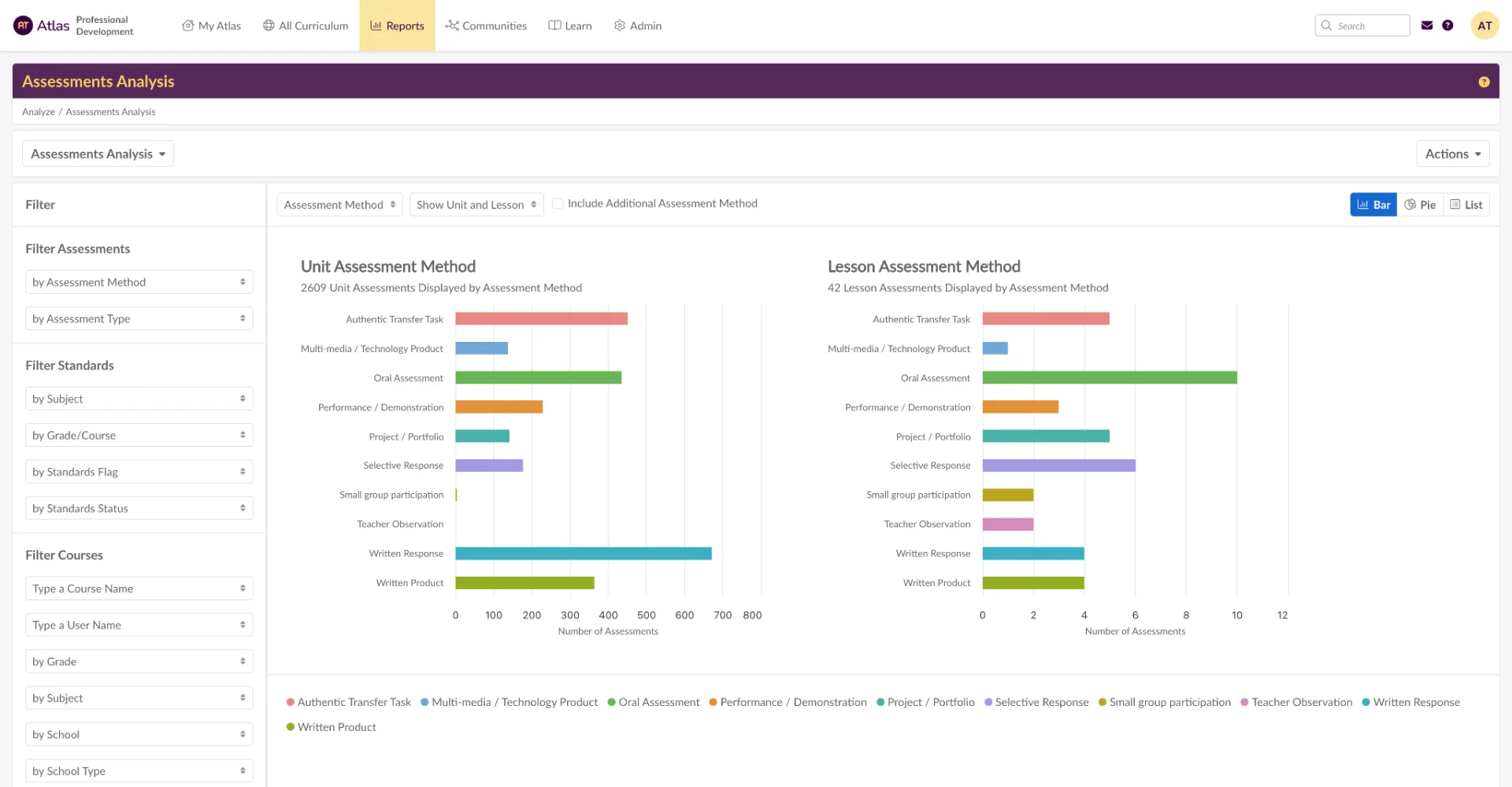
Atlas does. Run a Standards Analysis or Scope & Sequence Report and the problems surface at once, down to a grade targeting standards from two years below where it should be. Once leadership can see it laid out, they can re-articulate targets across grades, cut the accidental repetition, and smooth the jumps between years.
4. The Manual Reporting Grind Goes Away
Every time leadership has to show the district or the board what the school teaches, someone loses hours copying data between spreadsheets, and the snapshot is out of date before it's finished.
Atlas pulls live curriculum data on demand, across every grade and subject, from a single source of truth. Reporting that used to swallow whole afternoons becomes something you generate on the spot, current at the moment you produce it.
And this functionality is improving all the time. The Curriculum Insights Report uses AI to analyze curriculum across courses and grade levels and instantly generate reports that surface alignment gaps, coverage patterns, and the places your curriculum could be more coherent, along with concrete recommendations for tightening it. Work that once meant a leader manually combing through documents now arrives as a starting draft you refine rather than build. That same AI runs through the wider platform too: Atlas AI can draft unit content from your standards and goals, make it student-friendly, or translate it, and it always flags when AI was used, so there's full transparency over where it's helped.
Find out more about Atlas AI here.
5. Your Curriculum Leaders Get to Lead
Too many curriculum directors end up as paperwork police, checking whether a standard got pasted into the right document. It's a poor use of the people you most want thinking strategically.
Atlas shows them more than where a standard is listed. It shows where it's taught and assessed, and how often, and lets them flag what's a Focus standard versus a Supporting one. The conversation shifts from compliance to depth, mastery, and whether students are learning what you intend for them.
Final Thoughts
The lazy sales pitch is "save every teacher two hours a week," and schools are right to distrust it. Atlas's return is bigger and more durable. It's a lasting curriculum asset, full visibility across your school, and equity that holds up whoever happens to be teaching. You'll notice the time-saving first. In ten years, the asset is what you'll still have.